



Formyl Peptide Receptor (FPR)
Formyl peptide receptors (FPRs) are a group of G protein-coupled chemoattractant receptors, including FPR1, FPR2 and FPR3. FPR1 and FPR2 are expressed in both monocytes and neutrophils, while FPR3 is found in monocytes but not neutrophils. Besides myeloid cells, FPR1 is expressed in astrocytes, microglial cells, hepatocytes and immature dendritic cells. FPR2 shows an even wider distribution pattern than FPR1 and is expressed in a variety of non-myeloid cells including astrocytoma cells, epithelial cells, hepatocytes, microvascular endothelial cells, neuroblastoma cells, in addition to phagocytic leukocytes. FPRs are classified as Pathogen Recognition Receptors (PRRs) located on immune cells that play a key role in innate immunity due to their ability to recognize both, pathogen associated and damage-associated molecular patterns (PAMPs and DAMPs). FPRs participate not only in host defense and regulation of inflammatory response but also in the migration, proliferation, superoxide production and in several physio-pathological processes due to their unique binding properties and interaction with structurally diverse ligands.
All Product Categories
-
Formyl Peptide Receptor (FPR) Inhibitors
(7)
View all products
-
Formyl Peptide Receptor (FPR) Agonists
(19)
View all products
-
Formyl Peptide Receptor (FPR) Antagonists
(11)
View all products
-
Formyl Peptide Receptor (FPR) Activators
(3)
View all products
-
Formyl Peptide Receptor (FPR) Ligand
(1)
View all products
-
Formyl Peptide Receptor (FPR) Related Products (61)
Related Products (61)

-
WRW4
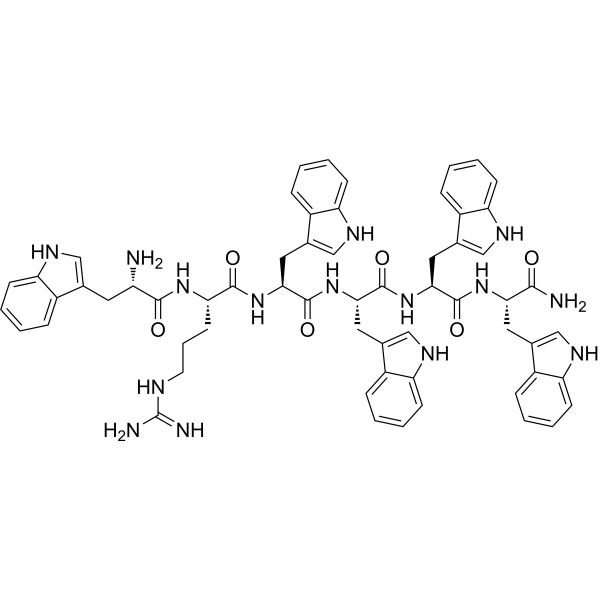 0 ImagesWRW4, a specific formyl peptide receptor-like 1 (FPRL1) antagonist, inhibits WKYMVm binding to FPRL1 with an IC50 of 0.23 μM. WRW4 specifically inhibits the increase in intracellular calcium by the FPRL1 agonists MMK-1, amyloid beta42 (Abeta42) peptide, and F peptide.
-
Cyclosporin H
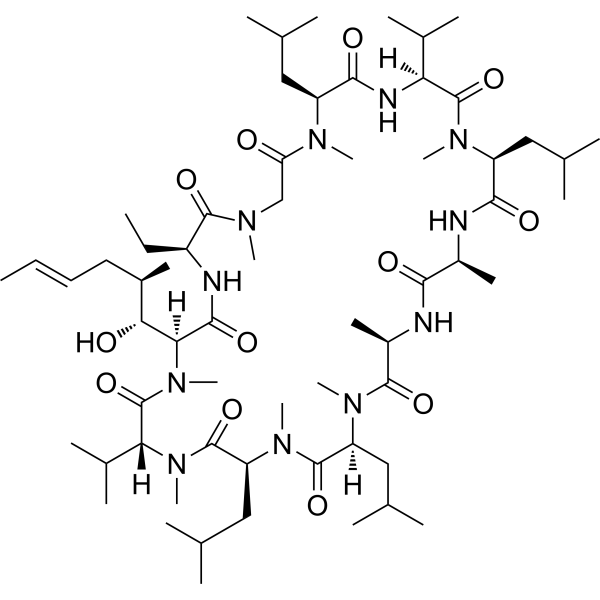 0 ImagesCyclosporin H is a selective and potent inhibitor of FPR-1 (formyl peptide receptor 1). Cyclosporin H, a viral transduction enhancer, increases lentiviral transduction up to 10-fold in human cord blood-derived hematopoietic stem and progenitor cells (HSPCs). Cyclosporin H displays an additive effect when combined with Rapamycin (HY-10219) or Prostaglandin E2 (HY-101952). Cyclosporin H lacks immunosuppressant activity of Cyclosporin A.
-
HCH6-1
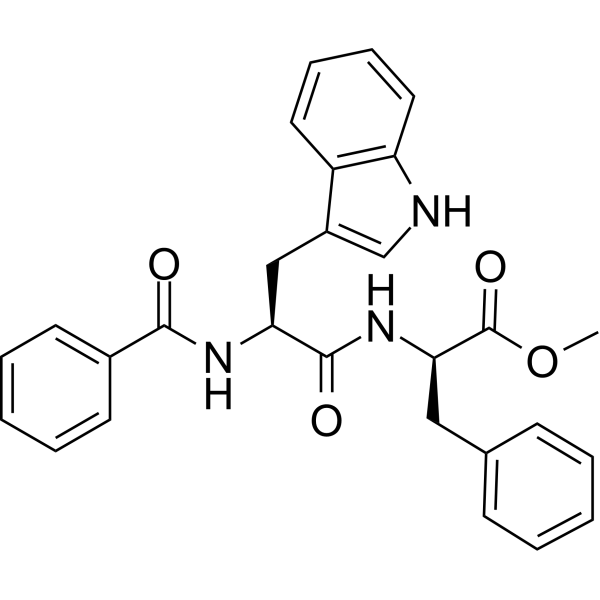 0 ImagesHCH6-1 is a potent and competitive dipeptide antagonist of Formyl peptide receptor 1 (FPR1). HCH6-1 inhibits chemotaxis, superoxide anion generation, and elastase release in human neutrophils specifically activated by fMLF (an FPR1 agonist). HCH6-1 has protective effects against acute lung injury (ALI) in vivo and can be used for the research of FPR1-involved inflammatory lung diseases.
-
WKYMVm
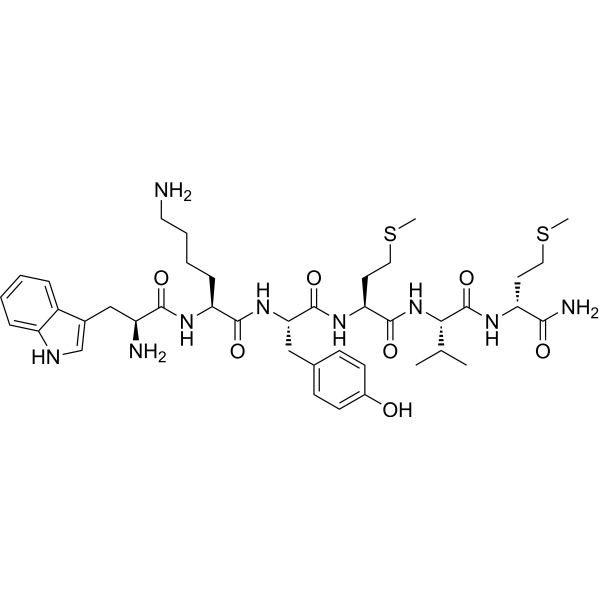 0 ImagesSynonyms: WKYMVm-amide; W-PeptideWKYMVm is a selective formylpeptide receptor 2 (FPR2) agonist. WKYMVm has a powerful anti-inflammatory effect that can reduce lung injury and spinal cord injury. WKYMVm ameliorates obesity by regulating lipid metabolism and leptin signaling. WKYMVm is involved in the regulation of immune cells by activating FPRs. WKYMVm can promote the chemotactic migration of immune cells and inhibit the apoptosis of phagocytes. In addition, WKYMVm may play a favorable or unfavorable role in tumors, depending on the type of tumor.
-
BMS-986235
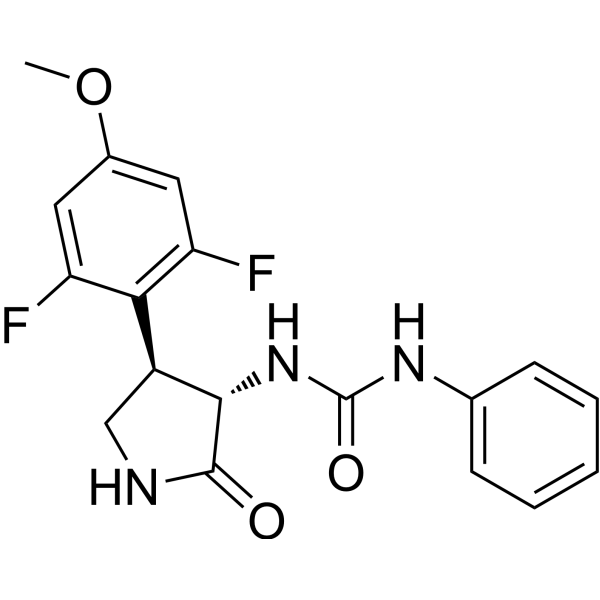 0 ImagesSynonyms: LAR-1219BMS-986235 (LAR-1219) is a selective, orally active formyl peptide receptor 2 (FPR2) agonist, with EC50s of 0.41 nM and 3.4 nM for hFPR2 and mFPR2, respectively. BMS-986235 has potential for the prevention of heart failure.
-
Boc-MLF
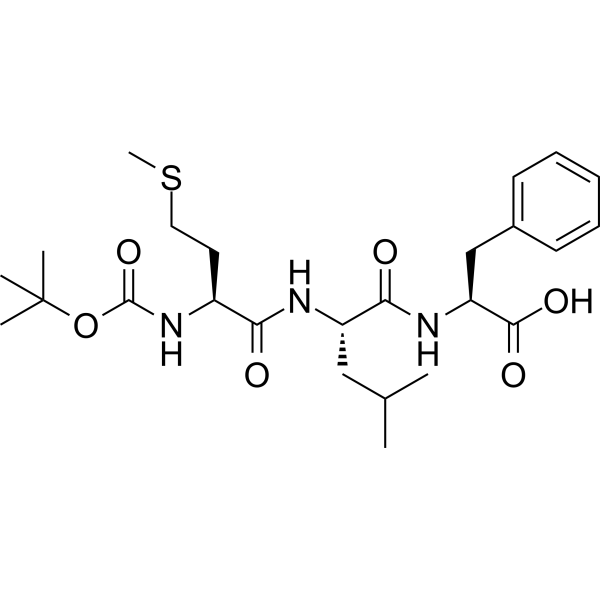 0 ImagesSynonyms: Boc-Met-Leu-Phe-OHBoc-MLF (Boc-Met-Leu-Phe-OH) is a competitive FPR1 antagonist. Boc-MLF inhibits fMLF-induced neutrophil activation through FPR. Boc-MLF inhibits receptor-induced inflammation and cell migration. Boc-MLF inhibits amniotic epithelial-mesenchymal transition. Boc-MLF reduces pro-inflammatory cytokine levels. Boc-MLF increases collagen expression in fetal membranes. Boc-MLF reverses fetal membrane epithelial cell collapse, increases villi, and reduces mucus attachment. Boc-MLF can be used in research on premature rupture of fetal membranes.
-
Boc-MLF TFA
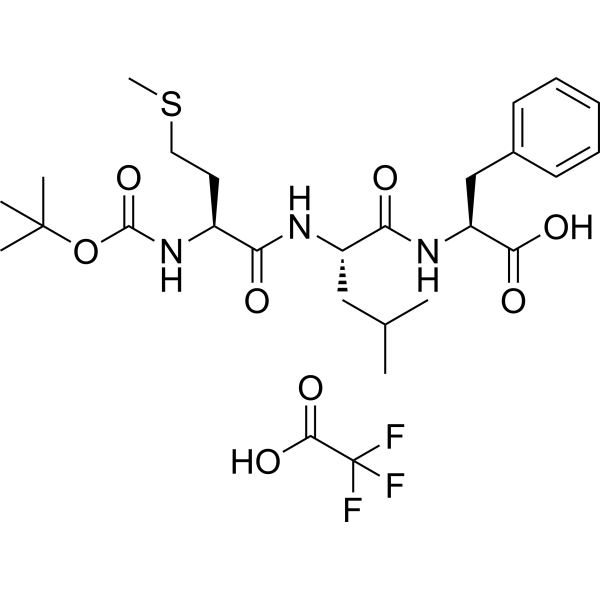 0 ImagesCat. No.: HY-103473APurity: 99.48%Synonyms: Boc-Met-Leu-Phe-OH TFABoc-MLF TFA (Boc-Met-Leu-Phe-OH TFA) is a competitive FPR1 antagonist. Boc-MLF TFA inhibits fMLF-induced neutrophil activation through FPR. Boc-MLF TFA inhibits receptor-induced inflammation and cell migration. Boc-MLF TFA inhibits amniotic epithelial-mesenchymal transition. Boc-MLF TFA reduces pro-inflammatory cytokine levels. Boc-MLF TFA increases collagen expression in fetal membranes. Boc-MLF TFA reverses fetal membrane epithelial cell collapse, increases villi, and reduces mucus attachment. Boc-MLF TFA can be used in research on premature rupture of fetal membranes.
-
f-MKKFRW
 0 ImagesCat. No.: HY-P11704f-MKKFRW is a formylated MgrB signal sequence peptide and Fpr3 agonist. f-MKKFRW can be produced by bacteria. f-MKKFRW is selectively recognized by a subset of vomeronasal sensory neurons and activates Fpr3-expressing and B2m-expressing VSNs, but not NP2-expressing VSNs. f-MKKFRW activates TRPM5-dependent signaling, triggering acetylcholine release. f-MKKFRW drives innate avoidance behavior requiring Fpr3, Gαo, and Trpc2.
-
T0080
 0 ImagesT0080 is a central nervous system-penetrant FPR1 inhibitor. By functionally blocking the FPR1 signaling pathway, T0080 effectively reduces neutrophil infiltration into ischemic brain tissue and maintains the integrity of the blood-brain barrier. T0080 alleviates tPA-associated hemorrhagic transformation, inhibits demyelination responses and the expression of NOX2. T0080 also possesses anti-apoptotic (apoptosis) and anti-inflammatory properties, thereby protecting myelin and reducing neurological deficits. T0080 is widely used in studies related to ischemic stroke complicated by hemorrhagic transformation after tPA thrombolysis, as well as multiple sclerosis.
-
FPR Agonist 43
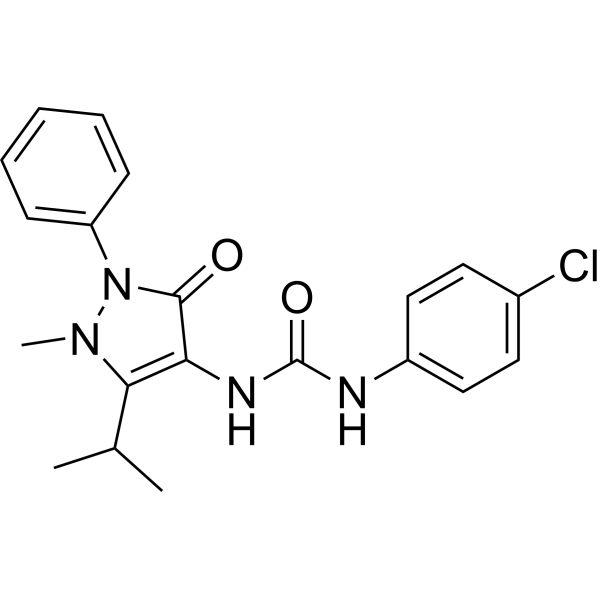 0 ImagesFPR Agonist 43 (compound 43) is a dual formyl peptide receptor 1 (FPR1) and formyl peptide receptor 2 (FPR2)/ALX agonist.
-
Boc-dPhe-Leu-dPhe-Leu-Phe
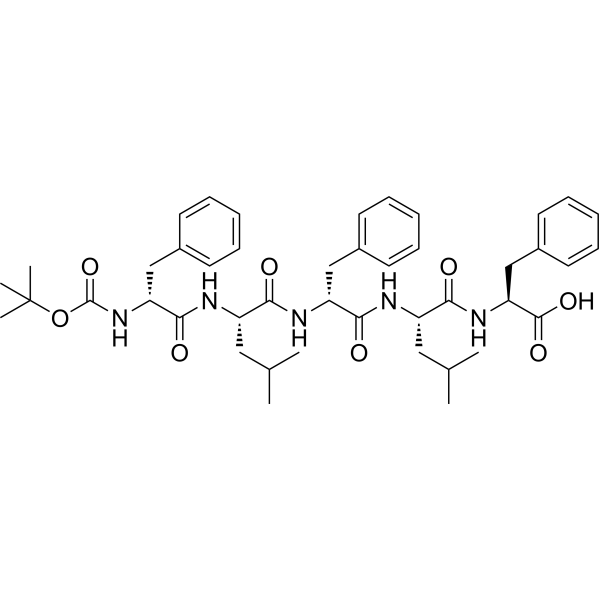 0 ImagesBoc-dPhe-Leu-dPhe-Leu-Phe (Boc-fLfLF) is a selective N-formyl peptide receptor1 (FPR1) antagonist. Boc-dPhe-Leu-dPhe-Leu-Phe inhibits fMIFL(HY-P0224)-induced NADPH oxidase activity. Boc-dPhe-Leu-dPhe-Leu-Phe can be used for the study of inflammation.
-
LL-37 amide TFA
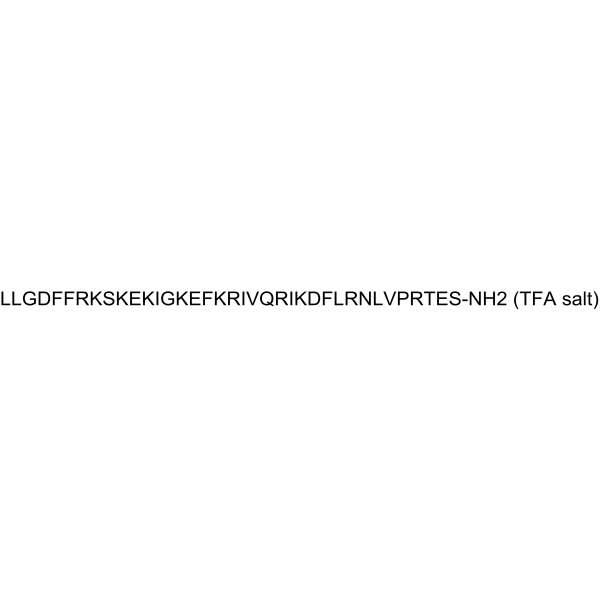 0 ImagesCat. No.: HY-P4744APurity: 99.97%LL-37 amide TFA is a selective agonist of formyl peptide receptor-like FPRL1, effectively inhibiting periodontal pathogens (ED99=8.5-8.7 μg/mL). LL-37 amide TFA exerts its bactericidal effect by activating FPRL1-mediated immune cell chemotaxis and disrupting bacterial cell membrane integrity. It can also regulate inflammatory responses (inhibiting the release of factors such as TNF-α) and promote angiogenesis. Amidation modification reduces its sensitivity to serum inhibition and improves its stability. LL-37 amide TFA possesses key activities in bactericidal action, immunomodulation, and wound healing, and is mainly used in research on infection-related diseases such as periodontal disease and deep tissue injuries (pressure ulcers), and wound healing.
-
Cenupatide
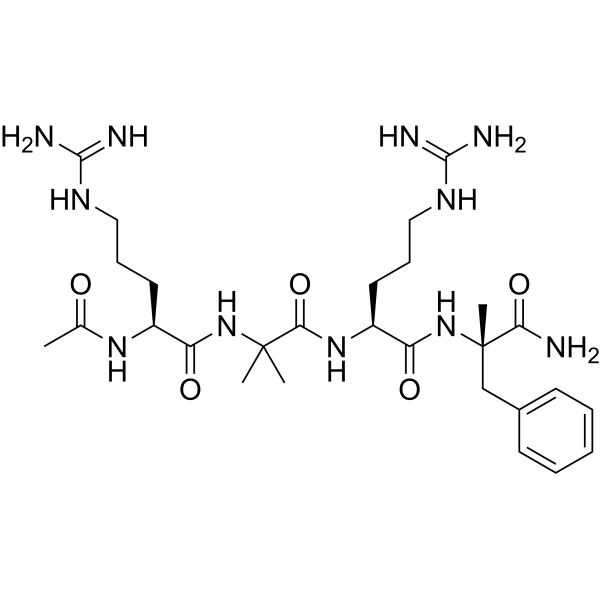 0 ImagesSynonyms: UPARANTCenupatide (UPARANT) is a uPAR and FPR antagonist with anti-angiogenic, anti-inflammatory, and vascular barrier regulatory activities, as well as high stability and resistance to enzymatic degradation in blood/plasma. Cenupatide blocks the uPAR-FPR interaction, reduces VEGF-induced phosphorylation levels of AKT, VEGFR-2, STAT3, JNK, p38 MAPK, ERK1/2, and NF-κB p65, and inhibits αvβ3 integrin activation. Cenupatide suppresses endothelial cell migration, invasion, tube formation, and angiogenic signaling pathways, restores tight junctions and blood-retinal barrier integrity, reduces pro-inflammatory marker levels, and inhibits apoptosis. Cenupatide reduces retinal neovascularization, renal fibrosis, and vascular leakage, and restores visual function in preclinical models. Cenupatide is applicable to research related to retinopathy, diabetic complications, ocular diseases, cancer, and inflammatory diseases.
-
BOC-FlFlF
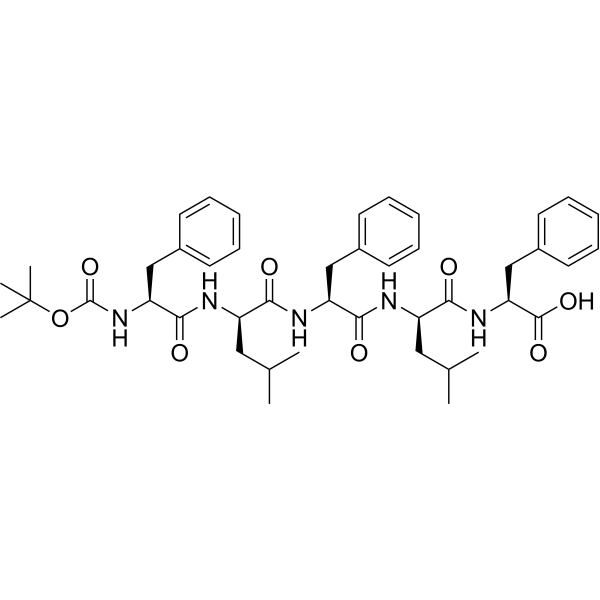 0 ImagesSynonyms: BOC2; Boc-Phe-dLeu-Phe-dLeu-PheBOC-FlFlF (Boc-Phe-dLeu-Phe-dLeu-Phe) is a selective FPR1 antagonist. Boc-FlFlF has an apparent dissociation constant (KD) of 230 nM as determined by the intracellular calcium mobilization assay. Boc-FlFlF can be used for the study of inflammation.
-
FPR1 antagonist 1
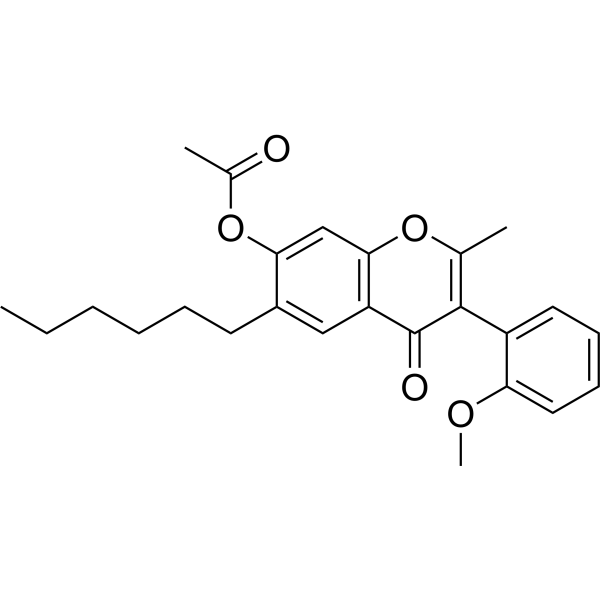 0 ImagesCat. No.: HY-156293CAS No.: 3053980-28-9FPR1 antagonist 1 (compound 24a) is a formyl peptide receptor 1 (FPR1) antagonist with an IC50 of 25 nM. FPR1 antagonist 1 inhibits cell growth through a combined effect on cell proliferation and apoptosis and reduces cell migration, while inducing an increase in angiogenesis.
-
ACT-389949
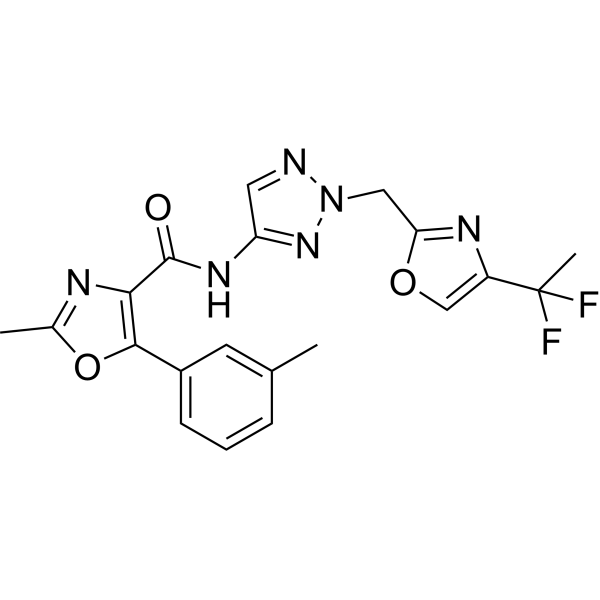 0 ImagesACT-389949 is a first-in-class, potent and selective and agonist of formyl peptide receptor type 2 (FPR2)/Lipoxin A4 receptor (ALX), with an EC50 of 3 nM for FPR2/ALX internalization into monocytes. ACT-389949 has potential for the treatment of inflammatory disorders.
-
N-Formyl-Met-Leu-Phe-Lys
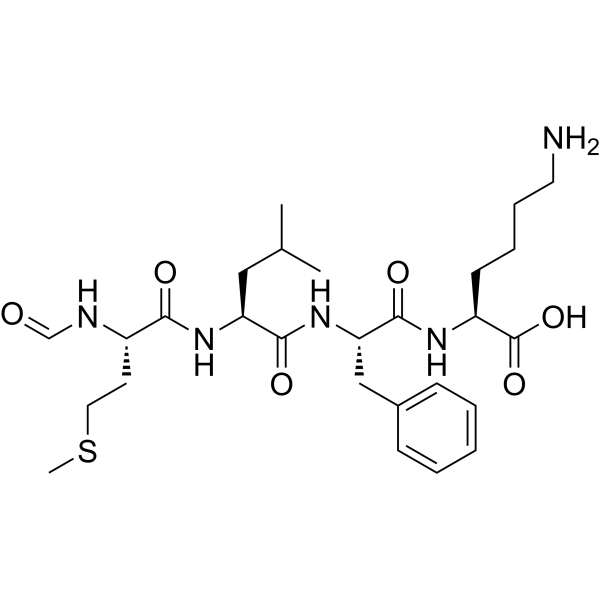 0 ImagesSynonyms: fMLFKN-Formyl-Met-Leu-Phe-Lys (fMLFK) is a peptide, acts as a potent and selective agonist of FPR1, with EC50s of 3.5 nM, 6.7 μM and 0.88 μM for FPR1, FPR2 and FPR2-D2817.32G, respectively.
-
WKYMVM-NH2 TFA
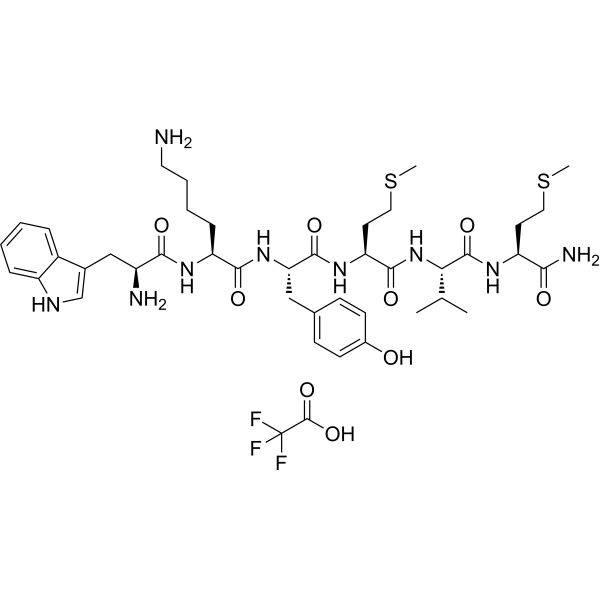 0 ImagesWKYMVM-NH2 TFA is a potent N-formyl peptide receptor (FPR1) and FPRL1/2 agonist, also activates several leukocyte effector functions such as chemotaxis, mobilization of complement receptor-3, and activation of the NADPH oxidase.

-
AG-09/1
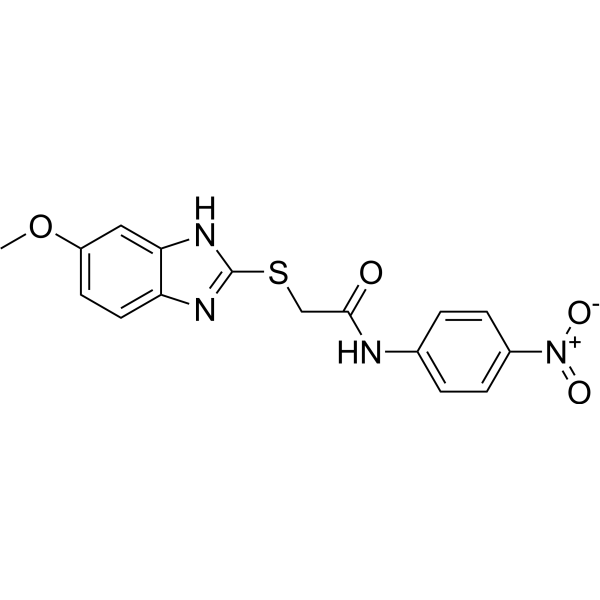 0 ImagesAG-09/1 is a specific formyl peptide receptor 1 (FPR1) agonist. N-formyl peptide receptors (FPR) are important in host defense.



